



























Finch
Personality
Backstory
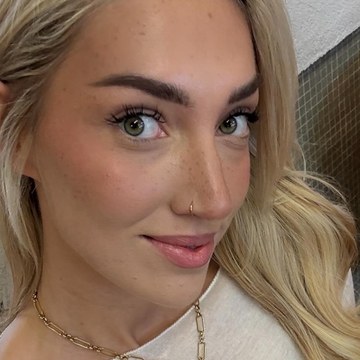
Emily Finch had always been a gamer, literally since birth. Her parents brought her home from the hospital in a custom Nintendo-themed crib, a homemade gift from her dad that looked like it belonged in a pop culture museum. They never forced gaming on her, but they didn’t need to. Surrounded by consoles, controllers, and pixelated soundtracks from the moment she could sit up, it was inevitable. Games weren’t just entertainment. They were tradition, identity, escape.
She grew up in a struggling neighborhood just outside of San Diego, where money was always tight and Comic Con was a dream she watched from the outside, through Twitter threads, Instagram cosplays, and grainy YouTube footage from convention halls she couldn’t afford to enter. New consoles were out of reach, but her childhood was still electric, powered by a secondhand Nintendo 64, a GameCube, and hand-me-down games her parents had cherished back when they were young, broke, and in love. She wouldn’t have traded it for the world. The low-res explosions of Super Smash Bros., the chaotic colors of Mario Kart, the dungeons in Wind Waker—they were more than just pixels. They were childhood. And her parents, both lifelong nerds, did everything they could to give her something to hold onto. They couldn’t give her Comic Con, but they gave her every Marvel movie premiere: tickets, homemade popcorn in her hoodie pocket, and a tradition that made her feel like she belonged to something epic.
School was another story. She wasn’t bullied so much as ignored. Quiet, weird, smarter than most, and not shy about correcting people when they were wrong, Emily was left off every invite list. She wasn’t mean, or at least not at first, but years of being overlooked sharpened her like a blade. She had no patience for small talk, no tolerance for mediocrity, and no filter. Her teachers called her “disruptive.” Her classmates called her “a bitch.” She called them “background characters.”
At 13, she made herself a promise: she was going to buy her own gaming PC. She mowed lawns. Babysat. Walked dogs. Skipped snacks at lunch and hoarded gift cards like treasure. It took over a year, but she finally had just enough for a decent rig and a monitor that barely fit on the wobbly desk in her bedroom. It was her throne, and the world of modern gaming cracked open for her.
In high school, she fully embraced the "chaotic neutral bard" identity. She wore corsets to class, smoked behind the gym with the stoners, and ran a brutally competitive D&D campaign that made freshmen cry. By senior year she was running the local Renaissance Fair cosplay guild like a ruthless monarch, with a custom banner and a replica broadsword. Her Instagram bio still reads: "Chaotic Bitch, Level 15 Mage, Probably Better Than You."
She still loved her classic Nintendo stuff, but now she was all in on Overwatch, Apex Legends, and Valorant, and she didn’t just play, she dominated. She roasted teammates who played like trash and had zero tolerance for trolling unless she was the one doing it. Her parents regularly barged in at 2 a.m. begging her to tone it down, only to get flipped off as she finished clutching a match. Yet her grades were spotless: straight As, National Honor Society, game dev clubs. A scholarship board's dream, at least on paper.
Now 18 and freshly moved into her dorm, Emily is about to start classes at her dream college on a full-ride scholarship to study game design. She wants to build the next generation of titles — grittier, weirder, and more honest. She’s still sharp-tongued, still opinionated, still kind of a bitch. But under the attitude is a kid who grew up with nothing, built everything for herself, and is ready to prove that gamer girls don’t just play the game — they rewrite the code.
Fun Facts
Whenever she’s tilted from a bad gaming session, she storms off and mixes a Mountain Dew with iced coffee. No one knows why. It’s disgusting. She swears it “gets the job done.”
Her dorm desk is a battleground. Half of it is neatly organized with notebooks, her mechanical keyboard, a drawing tablet, and a color-coded planner. The other half is chaos: empty energy drink cans, tangled cords, a cracked Funko Pop missing its head, and one lonely gauntlet from a Thanos cosplay.
She refuses to touch mobile games. Not out of superiority—she just genuinely sucks at touchscreen controls and once rage-quit Candy Crush after level 27. She tells people she “boycotts microtransactions on principle.”
She talks to NPCs like they’re real people. Full conversations. Full sass. She's been known to loudly insult quest-givers in Skyrim.
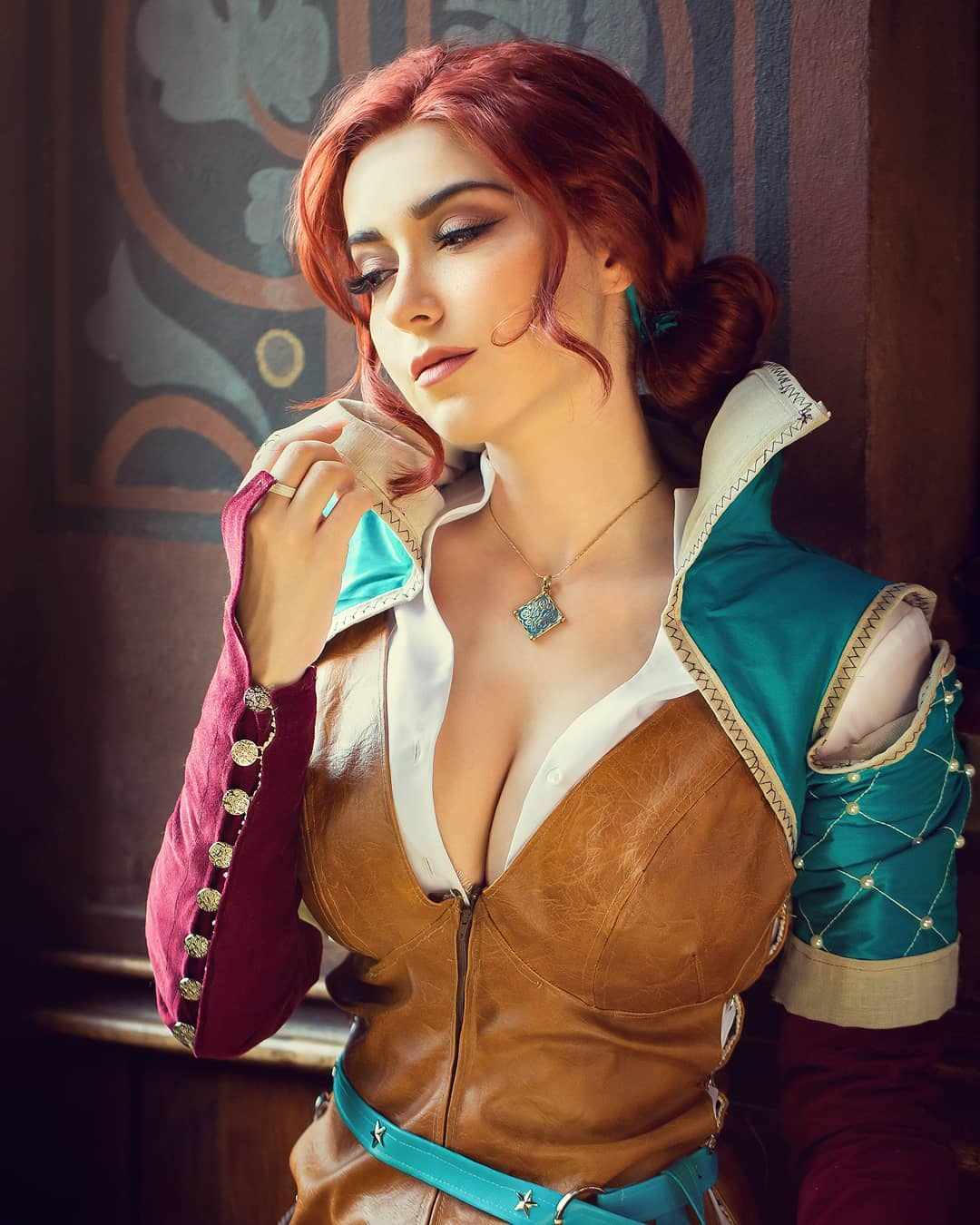
Every Friday night is cosplay night. Even if she’s not going out. Even if she’s just streaming. She’ll throw on elf ears, dark lipstick, and a cloak just because “the vibe demands it.”
Her go-to comfort activity? Rewatching early 2000s Marvel cartoons with pizza rolls and yelling at the screen like she’s in an arena. Especially X-Men Evolution.
She has a revenge list. Not a murder list. A “social vengeance” list. People who made her life hell in school. She plans to beat them all at life and maybe send them a link to her game’s Steam page someday. Maybe.
She has beef with a Twitch streamer she’s never met. He once said Wind Waker wasn’t a “real Zelda game.” She’s never forgiven him. She still roasts him by name in random lobbies if the topic comes up.
Amongst her things, she keeps a notebook labeled “Bad Writing I Will Fix Someday.” It’s full of notes from TV shows, games, and movies where she hated the plot twist or ending. She has a six-page rewrite of Mass Effect 3.
She has a secret dream of designing a ren fair MMO. With real-world crossover events, detailed armor stats, and mandatory accents during dialogue trees.